
Why Flossing Is Just as Important as Brushing: A Complete Guide to Better Oral Health
Most people know they should brush their teeth twice a day, but many overlook an equally important part of oral hygiene—flossing. While brushing cleans the visible surfaces of your teeth, it cannot effectively remove plaque and food particles trapped between the teeth and beneath the gum line.
In fact, nearly 35–40% of your tooth surfaces cannot be reached by a toothbrush alone. This is where dental floss becomes essential. Daily flossing removes plaque from these hard-to-reach areas, helping prevent cavities, gum disease, and bad breath.
If you want healthy teeth, strong gums, and a confident smile, flossing should be a regular part of your daily routine—not an occasional habit.
In this comprehensive guide, you’ll learn why flossing is just as important as brushing, how to floss correctly, common mistakes to avoid, and the many benefits of making flossing a daily habit.
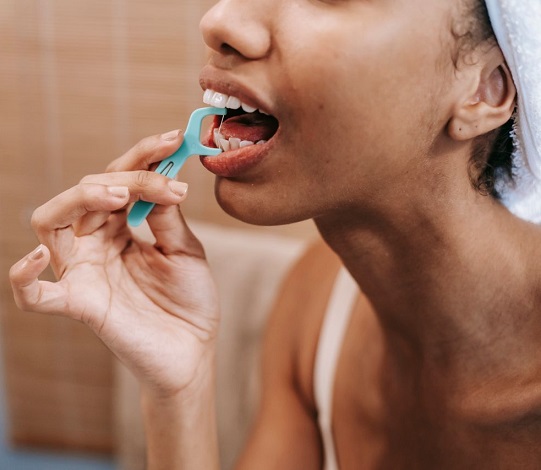
What Is Dental Flossing?
Dental flossing is the process of cleaning between your teeth and along the gum line using a thin strand of floss or other interdental cleaning devices.
Unlike a toothbrush, floss can reach narrow spaces where plaque and food particles often accumulate. Removing this debris helps reduce bacterial growth and protects both your teeth and gums.
Flossing should be done at least once every day, preferably before bedtime.
Why Brushing Alone Is Not Enough
Brushing is excellent for cleaning the front, back, and chewing surfaces of your teeth, but it cannot effectively clean the tight spaces between teeth.
Food particles and plaque trapped between teeth can lead to:
- Cavities between teeth
- Gum inflammation
- Bad breath
- Tartar build up
- Gum disease
- Tooth loss
Think of brushing as cleaning the visible parts of your home, while flossing cleans the hidden corners where dirt tends to collect.
Benefits of Daily Flossing
1. Removes Plaque Between Teeth
Plaque is a sticky layer of bacteria that forms on teeth every day.
If plaque is not removed:
- It hardens into tartar.
- It increases the risk of cavities.
- It irritates the gums.
Daily flossing removes plaque from areas your toothbrush cannot reach.
2. Prevents Cavities
Many cavities develop between the teeth because these areas are difficult to clean.
Flossing helps:
- Remove trapped food particles
- Reduce bacterial growth
- Prevent decay between teeth
- Protect tooth enamel
3. Prevents Gum Disease
Gum disease begins when plaque accumulates along the gum line.
Early symptoms include:
- Bleeding gums
- Swollen gums
- Redness
- Tenderness
Daily flossing removes bacteria before they can cause gum inflammation.
4. Reduces Bad Breath Food trapped between teeth becomes a breeding ground for bacteria.
These bacteria produce unpleasant-smelling gases that cause bad breath.
Flossing removes trapped food and bacteria, helping keep your breath fresh.
5. Protects Your Gums
Healthy gums support your teeth throughout life.
Flossing helps:
- Reduce inflammation
- Prevent gum recession
- Lower the risk of periodontal disease
- Maintain strong gum attachment
6. Helps Keep Teeth Looking Cleaner
Removing plaque between teeth prevents stain build up and helps maintain a cleaner, brighter smile.
Although flossing doesn’t whiten teeth, it contributes to a healthier and more attractive appearance.
7. Reduces Tartar Formation
Plaque that remains between teeth eventually hardens into tartar.
Unlike plaque, tartar cannot be removed by brushing or flossing and requires professional dental cleaning.
Daily flossing helps reduce plaque before it hardens.
8. Supports Overall Health
Research suggests that poor oral health may be linked to several medical conditions, including:
- Heart disease
- Diabetes complications
- Respiratory infections
- Pregnancy-related complications
Maintaining healthy gums through daily flossing contributes to better overall health.
How to Floss Correctly
Many people floss incorrectly or stop because their gums bleed. Using the proper technique makes flossing more effective and comfortable.
Step 1: Use Enough Floss
Cut about 18 inches (45 cm) of dental floss.
Wrap most of it around one middle finger and the rest around the opposite middle finger.
Step 2: Hold the Floss Properly
Grip the floss tightly between your thumbs and index fingers, leaving about 1–2 inches of floss to work with.
Step 3: Gently Slide Between Teeth
Carefully guide the floss between your teeth using a gentle back-and-forth motion.
Avoid snapping the floss into your gums, as this can cause injury.
Step 4: Form a “C” Shape
Curve the floss around one tooth, creating a C-shape.
Slide it gently beneath the gum line and move it up and down several times.
Repeat for the adjacent tooth.
Step 5: Use a Clean Section of Floss
As you move from tooth to tooth, unwind a clean section of floss.
This prevents transferring bacteria from one area to another.
Should You Floss Before or After Brushing?
Many dentists recommend flossing before brushing.
Flossing first removes plaque and food particles from between the teeth, allowing fluoride toothpaste to reach these areas more effectively during brushing.
However, the most important thing is to floss consistently every day, regardless of the order.
Different Types of Dental Floss
There are several options available to suit different needs.
Waxed Floss
- Slides easily between tight teeth
- Durable
- Good for beginners
Unwaxed Floss
- Thinner
- Fits into narrow spaces
- May fray more easily
Dental Tape
- Wider and flatter
- Comfortable for people with larger gaps between teeth
Floss Picks
Convenient for:
- Travel
- Office use
- People with limited hand movement
Water Flossers
Water flossers use a pressurized stream of water to clean between teeth.
They are especially useful for:
- Braces
- Dental implants
- Bridges
- People with arthritis
Your dentist can recommend the most suitable option based on your needs.
Common Flossing Mistakes
Avoid these common errors:
Skipping Flossing
Occasional flossing provides limited benefit. Daily flossing is essential.
Snapping the Floss
Forcing the floss into the gums can cause pain and bleeding.
Flossing Too Quickly
Take your time to clean each tooth thoroughly.
Reusing Dirty Floss
Always use a clean section as you move through your mouth.
Ignoring the Back Teeth
Molars are just as important as front teeth and should not be overlooked.
What If My Gums Bleed While Flossing?
Many people stop flossing because they notice bleeding.
However, bleeding gums are often a sign of gum inflammation caused by plaque build up, not a reason to avoid flossing.
If you begin flossing regularly:
- Mild bleeding often decreases within one to two weeks.
- Gums usually become healthier as plaque is removed.
If bleeding continues beyond two weeks or is severe, schedule a dental examination to identify the underlying cause.
Who Should Floss Every Day?
Daily flossing is recommended for:
- Children with teeth that touch each other
- Teenagers
- Adults
- Older adults
- People with braces
- Dental implant patients
- Bridge and crown wearers
Everyone with natural teeth can benefit from flossing.
Additional Tips for Healthy Teeth
Flossing is only one part of a complete oral care routine.
For the best results:
- Brush twice daily with fluoride toothpaste.
- Clean your tongue.
- Drink plenty of water.
- Eat calcium-rich foods.
- Limit sugary snacks and drinks.
- Avoid tobacco products.
- Replace your toothbrush every three months.
- Visit your dentist every six months.
Frequently Asked Questions (FAQs)
1. Is flossing really necessary if I brush twice a day?
Yes. Brushing cleans the visible surfaces of your teeth, but it cannot effectively remove plaque and food particles from between the teeth. Daily flossing helps prevent cavities, gum disease, and bad breath.
2. How often should I floss?
Dentists recommend flossing once every day, preferably before bedtime, to remove plaque and food debris that brushing alone cannot reach.
3. Should I floss before or after brushing?
Flossing before brushing is often recommended because it removes debris from between the teeth, allowing fluoride toothpaste to reach those areas more effectively. However, flossing consistently every day is more important than the order.
4. My gums bleed when I floss. Should I stop?
No. Mild bleeding is often a sign of gum inflammation caused by plaque build up. Continue flossing gently every day. If the bleeding persists for more than one to two weeks or becomes severe, consult your dentist.
5. Can a water flosser replace traditional floss?
Water flossers are an excellent option, particularly for people with braces, implants, or limited hand mobility. However, in many cases they work best as a complement to, rather than a complete replacement for, traditional floss. Your dentist can advise you on the most appropriate method for your oral health needs.
Conclusion
Flossing is just as important as brushing because it cleans the areas your toothbrush simply cannot reach. By removing plaque and food particles from between your teeth and along the gum line, daily flossing helps prevent cavities, gum disease, bad breath, and tartar build up.
When combined with brushing twice a day, a balanced diet, regular professional cleanings, and routine dental check-ups, flossing plays a vital role in maintaining lifelong oral health.
Making flossing a daily habit takes only a few minutes—but it can make a lasting difference to your smile.
Complete Preventive Dental Care at Dentales Multispeciality Dental Clinic
At Dentales Multispeciality Dental Clinic, we believe that prevention is the key to a lifetime of healthy smiles. Our experienced dental team provides routine dental check-ups, professional teeth cleaning, gum care, cavity prevention, cosmetic dentistry, and personalized oral hygiene guidance for patients of all ages.
Whether you need advice on the correct flossing technique, preventive dental care, or treatment for an existing dental problem, we’re here to help.
Book your appointment today and let us help you achieve healthier teeth, stronger gums, and a confident smile through expert preventive dental care.