
Choosing the Right Toothbrush for Your Teeth: Everything You Need to Know
Brushing your teeth twice a day is one of the most important habits for maintaining good oral health. However, even the best brushing technique may not be effective if you’re using the wrong toothbrush. Choosing the right toothbrush can make a significant difference in removing plaque, protecting your gums, preventing cavities, and maintaining a healthy smile.
With so many toothbrushes available in the market—manual, electric, soft, medium, hard, charcoal-infused, bamboo, and children’s toothbrushes—it can be confusing to know which one is best for you.
The good news is that dentists agree on a few simple principles that make choosing the right toothbrush much easier.
In this comprehensive guide, you’ll learn how to select the best toothbrush for your oral health, understand the differences between various types, and discover expert recommendations to keep your smile healthy.
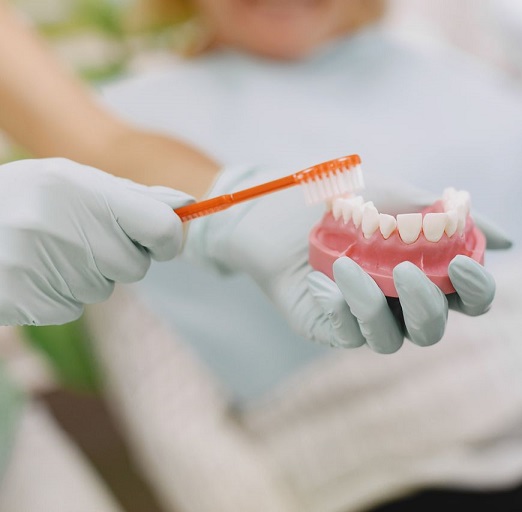
Why Choosing the Right Toothbrush Matters?
A toothbrush is your first line of defence against plaque, cavities, gum disease, and bad breath. Using the wrong toothbrush may reduce cleaning effectiveness or even damage your teeth and gums.
The right toothbrush helps:
- Remove plaque effectively
- Clean hard-to-reach areas
- Protect tooth enamel
- Prevent gum recession
- Reduce the risk of cavities
- Keep your breath fresh
- Support healthy gums
A good toothbrush, combined with proper brushing technique, is one of the simplest ways to maintain lifelong oral health.
What Dentists Recommend
Most dentists recommend a toothbrush with the following features:
- Soft bristles
- Small or medium-sized brush head
- Comfortable, non-slip handle
- Rounded bristle tips
- Quality construction from a trusted manufacturer
The toothbrush should fit comfortably in your mouth and allow you to reach all areas, including the back molars.
Soft, Medium, or Hard Bristles: Which Is Best?
One of the most important decisions is choosing the right bristle type.
Soft Bristles (Recommended)
Soft-bristled toothbrushes are recommended for most people because they clean effectively while being gentle on the teeth and gums.
Benefits
- Protect enamel
- Reduce gum irritation
- Lower the risk of gum recession
- Comfortable for sensitive teeth
For most adults and children, soft bristles are the safest and most effective choice.
Medium Bristles
Medium-bristled brushes provide slightly firmer cleaning but may increase the risk of enamel wear if used with excessive pressure.
Some people prefer them, but they should be used gently.
Hard Bristles
Hard-bristled toothbrushes are generally not recommended for daily use.
Using a hard brush may lead to:
- Enamel erosion
- Gum recession
- Tooth sensitivity
- Gum injury
Brushing harder does not clean your teeth better—it can actually cause damage.
Manual vs Electric Toothbrush
Many patients ask whether they should switch to an electric toothbrush.
The answer depends on your individual needs.
Manual Toothbrush
A manual toothbrush is effective when used correctly.
Advantages
- Affordable
- Easily available
- Portable
- No batteries or charging required
Disadvantages
- Depends entirely on proper brushing technique
- Easier to brush too hard
- Some people may not brush for the recommended two minutes
Electric Toothbrush
Electric toothbrushes use oscillating, rotating, or sonic movements to clean the teeth.
Advantages
- Removes plaque effectively
- Built-in timers encourage brushing for two minutes
- Easier for children and older adults
- Helpful for people with braces
- Beneficial for individuals with limited hand mobility
Disadvantages
- More expensive
- Requires charging or batteries
- Replacement brush heads add to the cost
Which Toothbrush Is Better?
Research suggests that both manual and electric toothbrushes can maintain excellent oral health when used properly.
An electric toothbrush may offer additional benefits if you:
- Wear braces
- Have arthritis or limited hand movement
- Tend to brush too hard
- Have difficulty maintaining proper brushing technique
- Want a built-in timer to improve brushing duration
If you use a manual toothbrush correctly for two minutes twice a day, it can also provide excellent results.
Choosing the Right Brush Head Size
A toothbrush head should comfortably reach all areas of your mouth.
A smaller brush head allows easier access to:
- Back molars
- Crowded teeth
- Areas near the wisdom teeth
- Tight spaces around dental work
Large brush heads may make cleaning difficult in certain areas.
Toothbrush Handle Design
Choose a handle that feels comfortable and provides a secure grip.
Features to look for:
- Non-slip grip
- Ergonomic shape
- Comfortable length
- Easy handling
This is particularly important for older adults and individuals with reduced hand strength.
Special Toothbrushes for Different Needs
Toothbrush for Sensitive Teeth
Choose:
- Soft or ultra-soft bristles
- Small brush head
- Gentle brushing technique
Pair it with toothpaste designed for sensitive teeth if recommended by your dentist.
Toothbrush for Children
Children need toothbrushes designed specifically for their age.
Look for:
- Small brush head
- Soft bristles
- Easy-to-hold handle
- Colourful design to encourage brushing
Parents should supervise brushing until children develop good technique.
Toothbrush for Braces
People with braces should use:
- Soft-bristled toothbrush
- Orthodontic toothbrush (if recommended)
- Interdental brushes
- Water flosser (optional)
Braces create additional areas where plaque can accumulate, making thorough cleaning especially important.
Toothbrush for Older Adults
Older adults may benefit from:
- Electric toothbrushes
- Larger handles
- Soft bristles
- Lightweight design
These features can make brushing easier and more comfortable.
How Often Should You Replace Your Toothbrush?
Dentists recommend replacing your toothbrush:
- Every three months
- After recovering from a cold, flu, or other illness
- If the bristles become frayed or bent
A worn toothbrush is less effective at removing plaque.
Electric toothbrush heads should also be replaced approximately every three months or according to the manufacturer’s instructions.
How to Keep Your Toothbrush Clean?
Proper toothbrush care helps reduce bacterial contamination.
Follow these simple steps:
- Rinse thoroughly after every use.
- Store upright to air dry.
- Avoid covering the brush head while it’s wet.
- Keep toothbrushes from touching each other.
- Never share your toothbrush.
- Replace it regularly.
Common Toothbrush Buying Mistakes
Avoid these common mistakes:
Choosing Hard Bristles
Hard bristles can damage enamel and gums.
Buying the Largest Brush Head
A large brush head may not reach the back teeth effectively.
Using the Same Toothbrush Too Long
Old bristles lose their cleaning ability.
Choosing Based Only on Price
An expensive toothbrush is not necessarily the best. Comfort, soft bristles, and proper technique matter more.
Ignoring Your Dentist’s Advice
Your dentist understands your oral health and can recommend the most suitable toothbrush for your individual needs.
Tips for Effective Brushing
Even the best toothbrush requires proper technique.
Remember to:
- Brush twice daily.
- Brush for at least two minutes.
- Hold the brush at a 45-degree angle toward the gums.
- Use gentle circular motions.
- Clean every tooth surface.
- Brush your tongue.
- Floss once every day.
Frequently Asked Questions (FAQs)
1. Which type of toothbrush do dentists recommend?
Most dentists recommend a soft-bristled toothbrush with a small or medium-sized head and rounded bristles. Soft bristles effectively remove plaque while protecting tooth enamel and gums.
2. Is an electric toothbrush better than a manual toothbrush?
Both manual and electric toothbrushes can clean your teeth effectively when used correctly. Electric toothbrushes may be particularly beneficial for people with braces, limited hand movement, or difficulty maintaining proper brushing technique.
3. How often should I replace my toothbrush?
Replace your toothbrush or electric toothbrush head every three months, or sooner if the bristles become worn or frayed. It’s also a good idea to replace it after recovering from an illness.
4. Can a hard-bristled toothbrush clean teeth better?
No. Hard bristles do not clean teeth more effectively and can increase the risk of enamel wear, gum recession, and tooth sensitivity. Soft bristles are generally recommended for everyday use.
5. What size toothbrush head should I choose?
A small or medium-sized brush head is ideal because it allows you to reach all areas of your mouth, including the back teeth and spaces around dental restorations or braces.
Conclusion
Choosing the right toothbrush is a simple but important step toward maintaining healthy teeth and gums. A soft-bristled toothbrush with a comfortable handle and an appropriately sized brush head provides effective cleaning while minimizing the risk of damage to your enamel and gums.
Whether you prefer a manual or electric toothbrush, the key is to use it correctly—brush twice a day for at least two minutes, floss daily, and replace your toothbrush regularly.
Combined with routine dental check-ups and professional cleanings, the right toothbrush can help you enjoy a healthy, confident smile for years to come.
Expert Preventive Dental Care at Dentales Multispeciality Dental Clinic
At Dentales Multispeciality Dental Clinic, we are committed to helping patients achieve excellent oral health through preventive care and personalized guidance. Our experienced dental team provides routine examinations, professional teeth cleaning, cosmetic dentistry, restorative treatments, orthodontic care, and expert advice on choosing the right oral hygiene products.
If you’re unsure which toothbrush or oral care routine is best for you, we’re here to help.
Book your appointment today and let our dental experts guide you toward healthier teeth, stronger gums, and a brighter smile.